
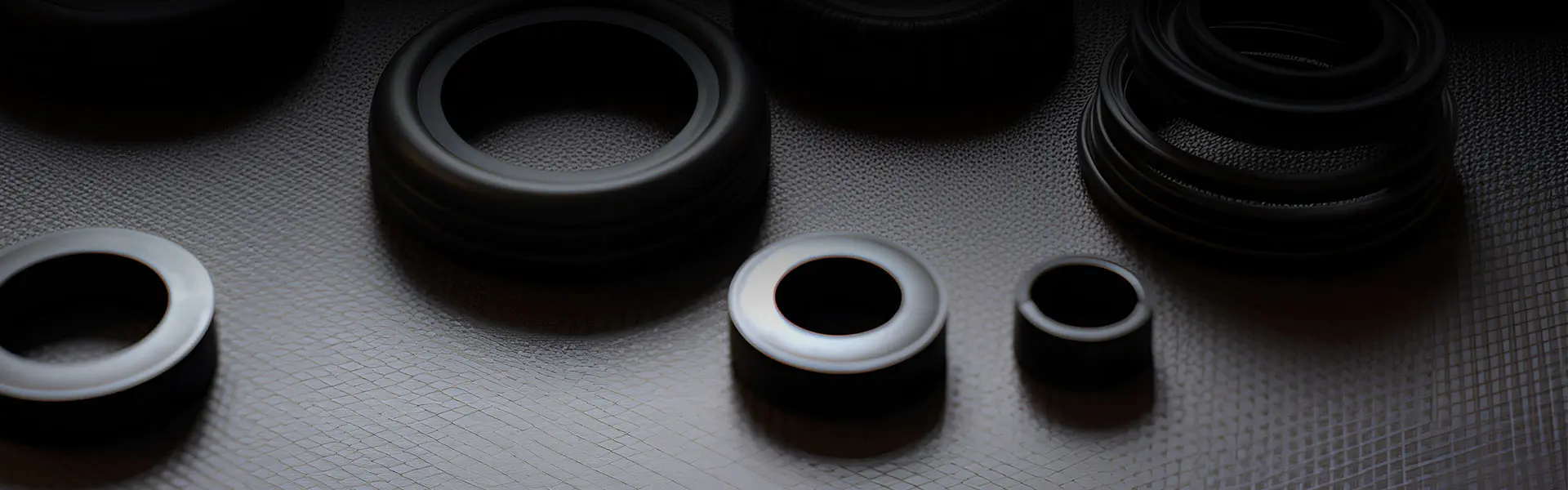
Gaskets are fundamental components in countless mechanical systems, serving as the critical seal between two or more mating surfaces. Their primary function is to prevent leakage of fluids or gases and to keep out contaminants, ensuring the efficiency, safety, and longevity of the assembly. At Kaxite, we understand that a gasket is more than just a piece of material; it's a precision-engineered solution for demanding environments. This comprehensive guide delves into the world of gaskets, exploring their types, materials, key parameters, and applications, with a special focus on the superior quality and engineering expertise offered by the Kaxite brand.
The effectiveness of a gasket depends on its ability to conform to the irregularities of the flange surfaces, creating a tight, resilient seal. When bolts are tightened, the gasket material compresses, flowing into the microscopic imperfections on the flange faces. This creates a barrier that withstands internal pressure, temperature fluctuations, and chemical exposure. Failure to select the correct gasket can lead to leaks, product loss, environmental hazards, equipment damage, and unplanned downtime, making the choice of a reliable supplier like Kaxite paramount.
Gaskets are categorized based on their construction and material. Selecting the right type is the first step in ensuring a reliable seal.
Choosing a gasket requires careful analysis of the operating conditions. The following parameters are crucial, and Kaxite provides detailed technical data sheets for all our materials to guide your selection.
| Parameter | Description | Why It Matters | Kaxite Material Example |
|---|---|---|---|
| Temperature Range | The minimum and maximum continuous operating temperatures the gasket material can withstand. | Exceeding limits can cause hardening, degradation, or melting, leading to seal failure. | Graphite: -200°C to 450°C (inert) / 550°C (oxidizing). PTFE: -200°C to 260°C. |
| Pressure (PSI/Bar) | The internal pressure the gasket assembly must contain. | High pressure can cause blow-out or excessive compression of the gasket. | Spiral Wound Gaskets are designed for pressures up to several thousand PSI. |
| Fluid Media Compatibility | The chemical resistance of the gasket material to the process fluid (acids, alkalis, solvents, oils, steam). | Chemical attack can swell, dissolve, or corrode the gasket, causing leaks. | Kaxite PTFE is inert to nearly all chemicals. EPDM is excellent for steam and hot water. |
| Compression Set | The material's ability to recover its original thickness after compression is released. | A low compression set indicates good resilience and long-term sealing ability, crucial for Kaxite's reputation for durability. | High-quality compressed aramid fibers and flexible graphite exhibit excellent recovery. |
| Creep Relaxation | The loss of bolt load over time as the gasket material relaxes under stress and temperature. | High creep leads to loss of seal tightness. Materials like graphite have low creep. | Kaxite's reinforced graphite sheets are engineered for minimal creep relaxation. |
| Bolt Load | The stress required to compress the gasket to its proper sealing density (Seating Stress) and the internal pressure it can hold (Useful Stress). | Ensures the flange and bolts are adequately sized to achieve a proper seal without crushing the gasket. | All Kaxite gasket materials are tested and supplied with certified 'm' and 'y' factors for accurate bolt load calculation. |
Matching the gasket to the application is critical. Here is a quick reference for common services.
Q: How do I know which gasket material is right for my application?
A: The selection is based on the "PACT" analysis: Pressure, Application (media), Temperature, and Cost. Always review the chemical compatibility charts for the fluid media. For complex applications, consult with Kaxite's technical support team. We can analyze your specific operating conditions and recommend the optimal material and gasket type, ensuring performance and cost-efficiency.
Q: What is the difference between a gasket and an O-ring?
A: Both are seals, but they function differently. A gasket is a static seal typically used between two flat faces (flanges) and is compressed across its entire surface area. An O-ring is an elastomeric loop with a circular cross-section used in a confined gland (a groove), creating a seal through radial compression. Gaskets are generally for larger, bolted connections, while O-rings are for dynamic or smaller static applications.
Q: Why did my gasket fail prematurely?
A: Premature failure can stem from several root causes: incorrect material selection for the chemical or temperature; improper installation (under or over-torquing of bolts, misalignment, reusing old gaskets); flange surface damage (pitting, warping, scratches); or selecting a gasket with insufficient thickness or width for the application. Using a high-quality, correctly specified Kaxite gasket and following proper installation procedures are the best ways to prevent premature failure.
Q: Can I reuse a gasket?
A: As a general rule, gaskets should not be reused. Once compressed, most materials take a permanent "set" and lose their ability to rebound and fill flange imperfections effectively. Reusing a gasket greatly increases the risk of a leak. Always install a new, unused Kaxite gasket during any maintenance or reassembly procedure to ensure a leak-free connection.
Q: What is bolt torque, and why is it important for gaskets?
A: Bolt torque is the rotational force applied to a fastener (bolt/nut) to achieve a specific clamp load on the gasket. Correct, uniform bolt torque is absolutely critical. Under-torquing fails to compress the gasket enough to create a seal, causing leaks. Over-torquing can crush, split, or extrude the gasket material, damaging the flanges or bolts, and also leading to failure. Always follow a cross-pattern torque sequence and use the recommended torque values provided by Kaxite or the relevant engineering standard.
Q: What standards do Kaxite gaskets comply with?
A: Kaxite manufactures gaskets to meet or exceed a wide range of international and industry-specific standards to ensure quality, safety, and interchangeability. These include ASME B16.20 (Ring Joint, Spiral Wound, and Jacketed Gaskets), ASME B16.21 (Non-Metallic Flat Gaskets), API 6A, DIN, EN, JIS, and ASTM material specifications. Our quality management system ensures traceability and consistency in every product batch.
Q: Does Kaxite offer custom gasket fabrication?
A: Yes, custom fabrication is a core strength of Kaxite. We can produce gaskets in virtually any size, shape, and material combination from the materials listed in our portfolio. Whether you need a simple cut O-ring from a sheet, a complex die-cut shape, or a large-diameter spiral wound gasket for a specialty vessel, our engineering and production teams can deliver. Simply provide a drawing, sample, or detailed specifications for a quote.


