
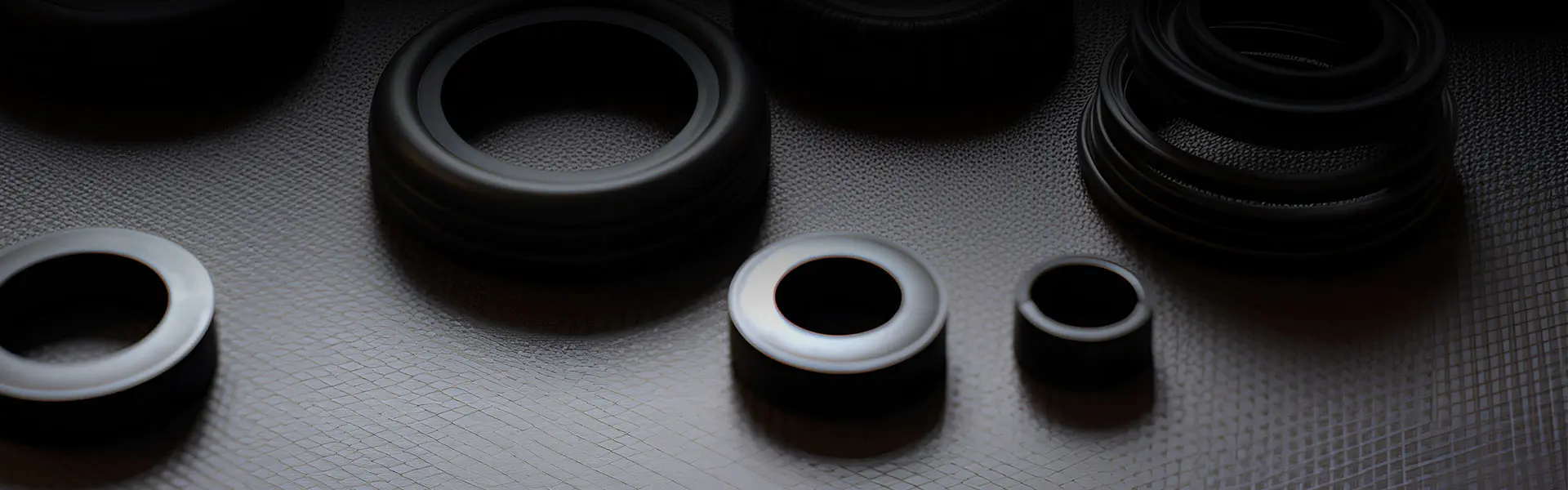
In the world of industrial safety and high-temperature insulation, the term Dust-Free Asbestos represents a significant technological advancement. For decades, the management of traditional asbestos materials posed serious health risks due to the release of airborne fibers. Today, engineered dust-free asbestos products are designed to mitigate these hazards while preserving the exceptional thermal, chemical, and mechanical properties that made asbestos a valuable material in the first place. As a leader in this specialized field, Kaxite has dedicated its research and manufacturing prowess to developing superior, safer solutions for modern industry.
Kaxite's dust-free asbestos is not merely a treated version of the raw mineral. It is a composite material where asbestos fibers are encapsulated within a proprietary binding matrix. This process effectively "locks in" the fibers, preventing them from becoming friable and airborne during handling, cutting, or installation. The result is a robust, easy-to-handle product that delivers unparalleled performance in applications ranging from high-temperature gaskets and brake linings to critical industrial insulation, all with a dramatically improved safety profile.
Understanding the precise specifications of Kaxite's dust-free asbestos is crucial for engineers, procurement specialists, and safety managers. Below, we detail the key parameters that define our product's performance and suitability for various demanding applications.
| Property | Metric Value | Imperial Value | Test Standard |
|---|---|---|---|
| Maximum Service Temperature | 540°C | 1004°F | ASTM C411 |
| Thermal Conductivity (at 200°C) | 0.12 W/m·K | 0.83 BTU·in/(hr·ft²·°F) | ASTM C518 |
| Density | 1.8 - 2.1 g/cm³ | 112 - 131 lb/ft³ | ASTM C303 |
| Tensile Strength | ≥ 12 MPa | ≥ 1740 psi | ASTM C297 |
| Compression Strength (10% deformation) | ≥ 45 MPa | ≥ 6525 psi | ASTM C165 |
| Continuous pH Range | 4 - 10 | 4 - 10 | N/A |
What exactly makes Kaxite's asbestos "dust-free"?
Our "dust-free" designation refers to the engineered encapsulation process. Each individual asbestos fiber is coated and bound within a resilient polymer matrix during manufacturing. This encapsulation prevents the fibers from being released into the air under normal conditions of handling, cutting, drilling, or mechanical abrasion. Independent testing confirms the dust suppression efficiency exceeds 99.5% compared to raw asbestos materials.
Is dust-free asbestos safe to handle without personal protective equipment (PPE)?
While Kaxite's dust-free asbestos significantly reduces fiber release, we always recommend adhering to standard industrial hygiene practices. For routine handling of intact sheets or parts, minimal PPE such as gloves may suffice. However, during machining operations like cutting or sanding, we mandate the use of appropriate PPE—including a NIOSH-approved P100 respirator, safety glasses, and gloves—as a precautionary measure to contain any minimal particulate generated and ensure absolute worker safety.
How does the thermal performance compare to traditional asbestos or other substitutes?
The encapsulation process is designed to minimally impact the innate thermal properties of the asbestos fibers. Kaxite's dust-free asbestos maintains thermal conductivity and heat resistance nearly identical to high-grade raw chrysotile. It generally outperforms many non-asbestos substitutes like aramid or fiberglass in terms of maximum continuous service temperature, thermal stability, and resistance to thermal cycling.
Can it be used for gaskets in high-pressure flange applications?
Absolutely. The combination of encapsulated asbestos fibers and our proprietary binder creates a material with excellent creep relaxation resistance and recovery. It is suitable for static sealing applications in piping and vessel flanges under high temperature and pressure. We provide specific pressure-temperature (P-T) ratings charts for our various gasket grades to guide proper material selection.
What are the chemical resistance properties?
Kaxite's binding matrix enhances chemical resistance in many environments. The product demonstrates strong resistance to most oils, steam, mild acids, alkalis, and organic solvents. However, compatibility should be verified for specific, aggressive chemical exposures. Our technical support team can provide detailed chemical resistance guides for your application.
How is it installed and machined?
It can be machined using standard workshop tools. For cutting, use sharp blade cutters, band saws, or water jets. For drilling, standard HSS or carbide drill bits are effective. Always use tools with dust extraction systems where possible and employ wet methods (e.g., water jet cutting) to further suppress any particulate. Clean the work area with a vacuum equipped with a HEPA filter, not by dry sweeping.
Does Kaxite provide testing certificates and safety data sheets (SDS)?
Yes, every batch of Kaxite dust-free asbestos is accompanied by a comprehensive Certificate of Analysis (CoA) verifying its physical properties. A detailed Safety Data Sheet (SDS), compliant with GHS standards, is also provided. The SDS clearly outlines the encapsulated nature of the product, safe handling procedures, and regulatory information.
What industries commonly use your dust-free asbestos products?
Our primary sectors include: Power Generation (for boiler and turbine insulation), Oil & Gas (for high-temp pipeline gaskets and seals), Heavy Industry & Manufacturing (furnace linings, heat shields), Marine (engine room insulation), and Automotive & Transportation (specialized brake and clutch components for heavy machinery).
Selecting Kaxite goes beyond purchasing a material; it's investing in a legacy of safety, reliability, and performance. Our dust-free asbestos is manufactured under stringent quality control protocols in ISO-certified facilities. The encapsulation technology is the result of years of proprietary research, ensuring a consistent and reliable product. We offer extensive technical support, from material selection to application engineering, ensuring our products integrate seamlessly and perform optimally in your most critical operations. Furthermore, by utilizing this advanced material, industries can meet stringent safety regulations regarding particulate exposure without compromising on the technical advantages that have made asbestos-based materials indispensable for decades.


