
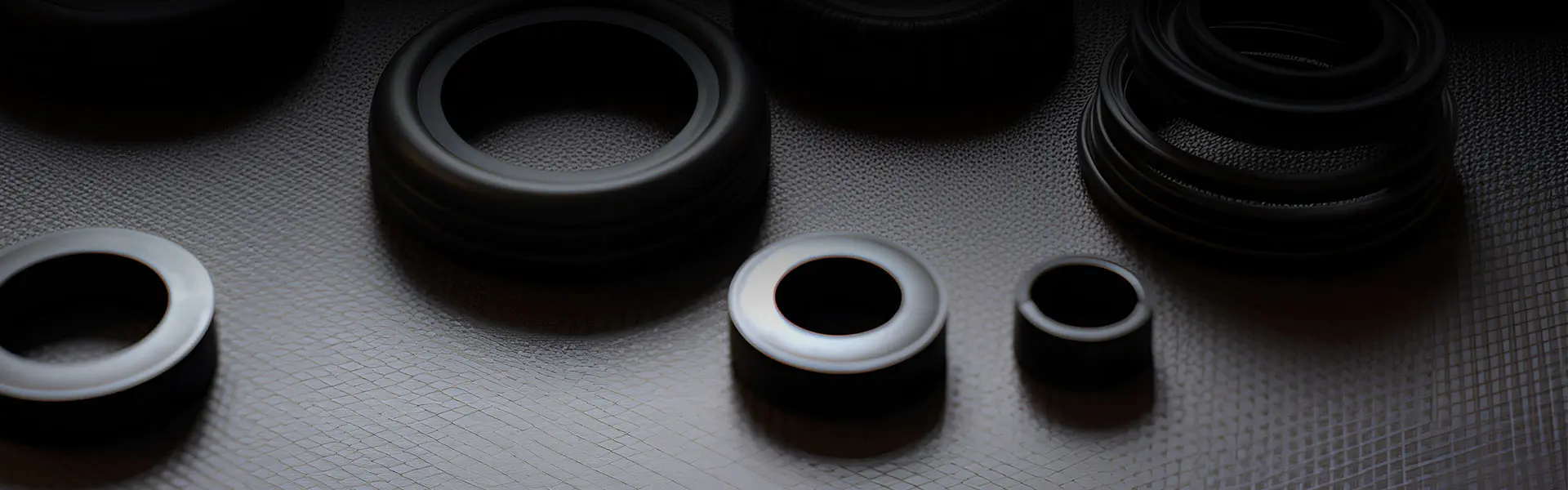
In the vast and demanding world of industrial components, the integrity of systems hinges on one critical element: effective sealing. For over two decades, Kaxite has stood at the forefront of this essential field, engineering Raw Materials for Sealing that define reliability and durability. The primary function of any Raw Materials for Sealing is to prevent the leakage of fluids or gases, block environmental contaminants, and maintain pressure differentials. From gaskets in automotive engines to O-rings in aerospace hydraulics and flange seals in chemical processing plants, the application is universal. Kaxite's product philosophy centers on understanding the unique stresses each application presents—be it extreme temperatures, aggressive chemicals, high pressures, or constant mechanical abrasion—and formulating materials that not only meet but exceed these challenges. Our commitment to innovation ensures that every seal delivers uncompromising performance, safeguarding your operations and minimizing costly downtime.
Kaxite's extensive portfolio is methodically categorized to address the full spectrum of industrial needs. Our products are manufactured using advanced compounds and subjected to rigorous quality control, resulting in materials with predictable and superior performance characteristics.
Selecting the correct sealing material requires a thorough analysis of its physical and chemical properties. The table below provides a detailed comparison of key Kaxite materials to guide your specification process.
| Material Type | Temperature Range | Pressure Rating | Key Chemical Resistance | Tensile Strength (Typical) | Primary Applications |
|---|---|---|---|---|---|
| Kaxite CNAF Standard | -40°C to +400°C (-40°F to 752°F) | Up to 150 Bar (2175 psi) | Water, Steam, Mild Acids, Alkalies | 12 MPa (1740 psi) | General-purpose gaskets for pumps, valves, and flanges |
| Kaxite Pure White PTFE | -200°C to +260°C (-328°F to 500°F) | Varies with design | Virtually All Chemicals | 25 MPa (3625 psi) | Chemical processing, pharmaceutical, food & beverage seals |
| Kaxite HT Silicone | -60°C to +230°C (-76°F to 446°F) | Up to 10 Bar (145 psi) static | Ozone, UV, Water | 8 MPa (1160 psi) | Automotive, appliance, outdoor electrical enclosures |
| Kaxite FKM 75 Shore A | -20°C to +205°C (-4°F to 401°F) | High, dependent on gland design | Oils, Fuels, Aromatic Hydrocarbons | 15 MPa (2175 psi) | Fuel systems, aerospace hydraulics, oil & gas equipment |
| Kaxite Flexible Graphite | Inert: up to +3000°C (5432°F) in non-oxidizing | Excellent creep relaxation resistance | Most acids, molten metals (non-oxidizing) | 5 MPa (725 psi) (reinforced) | High-temperature flanges, furnace doors, exhaust gaskets |
We address the most common inquiries our clients have regarding sealing material selection, performance, and handling.
What factors are most critical when selecting a sealing material?
The selection process must be a holistic assessment of the operating environment. The primary factors are: 1) Media Compatibility: The seal must resist degradation from the fluid or gas it contacts. 2) Temperature Range: The material must retain its sealing force and elasticity at both minimum and maximum operating temperatures. 3) Pressure: The seal must withstand system pressure without extrusion. 4) Application Type: Static, dynamic, or rotary motion imposes different demands. 5) Regulatory Standards: Compliance with FDA, NSF, UL, or ATEX may be required.
How do I interpret the temperature range specification for a material?
The published range indicates the temperatures within which the material maintains its key physical properties, such as flexibility and compression set. The lower limit is typically the point where the material becomes too hard and brittle to seal effectively. The upper limit is the point where thermal degradation, oxidation, or excessive softening begins. For prolonged exposure at the extreme ends of the range, consultation with a Kaxite engineer is recommended to ensure long-term reliability.
What is "compression set" and why is it important?
Compression set is a measure of a material's ability to return to its original thickness after prolonged compression. A low compression set percentage is critical, especially for static gaskets. A high compression set means the seal has permanently deformed and lost its sealing force, leading to leaks. Kaxite formulates its elastomers, like our premium FKM and silicone, to exhibit exceptionally low compression set values, ensuring a lasting seal.
Can Kaxite materials be customized for specific applications?
Absolutely. While our standard product line covers a vast array of needs, Kaxite specializes in custom formulation. We can adjust compound ingredients to enhance specific properties—such as improving low-temperature flexibility, increasing abrasion resistance, or achieving a specific color for coding. We also offer custom die-cutting, slitting, and molding services to deliver ready-to-install seals tailored to your exact dimensions.
What is the difference between static, dynamic, and rotary seal applications?
Static Seals are used between two surfaces that do not move relative to each other (e.g., flange gaskets, cover seals). They primarily need to resist creep relaxation. Dynamic Seals are used between surfaces that have linear or oscillating motion (e.g., piston seals, rod seals). They require low friction, high wear resistance, and excellent extrusion resistance. Rotary Seals handle rotating shaft applications and demand exceptional stability against friction-induced heat and wear. Kaxite provides specialized materials optimized for each type of motion.
How should I store and handle Kaxite Raw Materials for Sealing to ensure optimal shelf life?
Proper storage is vital for maintaining material properties. Store materials in a cool, dark, and dry environment, ideally between 10°C and 25°C (50°F and 77°F). Keep them away from direct sunlight, ozone sources (like electric motors), and heat sources. Elastomeric sheets should be stored flat, not hung or folded, to prevent permanent deformation. Most Kaxite materials have a shelf life of several years when stored under these recommended conditions.
The versatility of Kaxite sealing solutions is proven across diverse sectors. In the Oil & Gas industry, our high-grade FKM and graphite materials seal critical connections in drilling, refining, and LNG equipment, withstanding sour gas (H2S), high pressures, and thermal cycling. The Chemical Processing sector relies on our PTFE and specialized elastomer compounds to safely contain aggressive acids, solvents, and caustics, ensuring plant safety and environmental compliance. For Food and Pharmaceutical manufacturers, our FDA-compliant and ultra-clean PTFE and silicone seals prevent contamination and meet stringent hygienic standards. In Automotive and Aerospace, our engineered materials contribute to fuel efficiency and reliability, sealing everything from engine fluids to hydraulic flight controls under demanding thermal and dynamic loads. The Power Generation and Renewable Energy fields utilize our high-temperature graphite and CNAF sheets in turbines, heat exchangers, and solar thermal systems, maximizing operational uptime and energy transfer efficiency.


